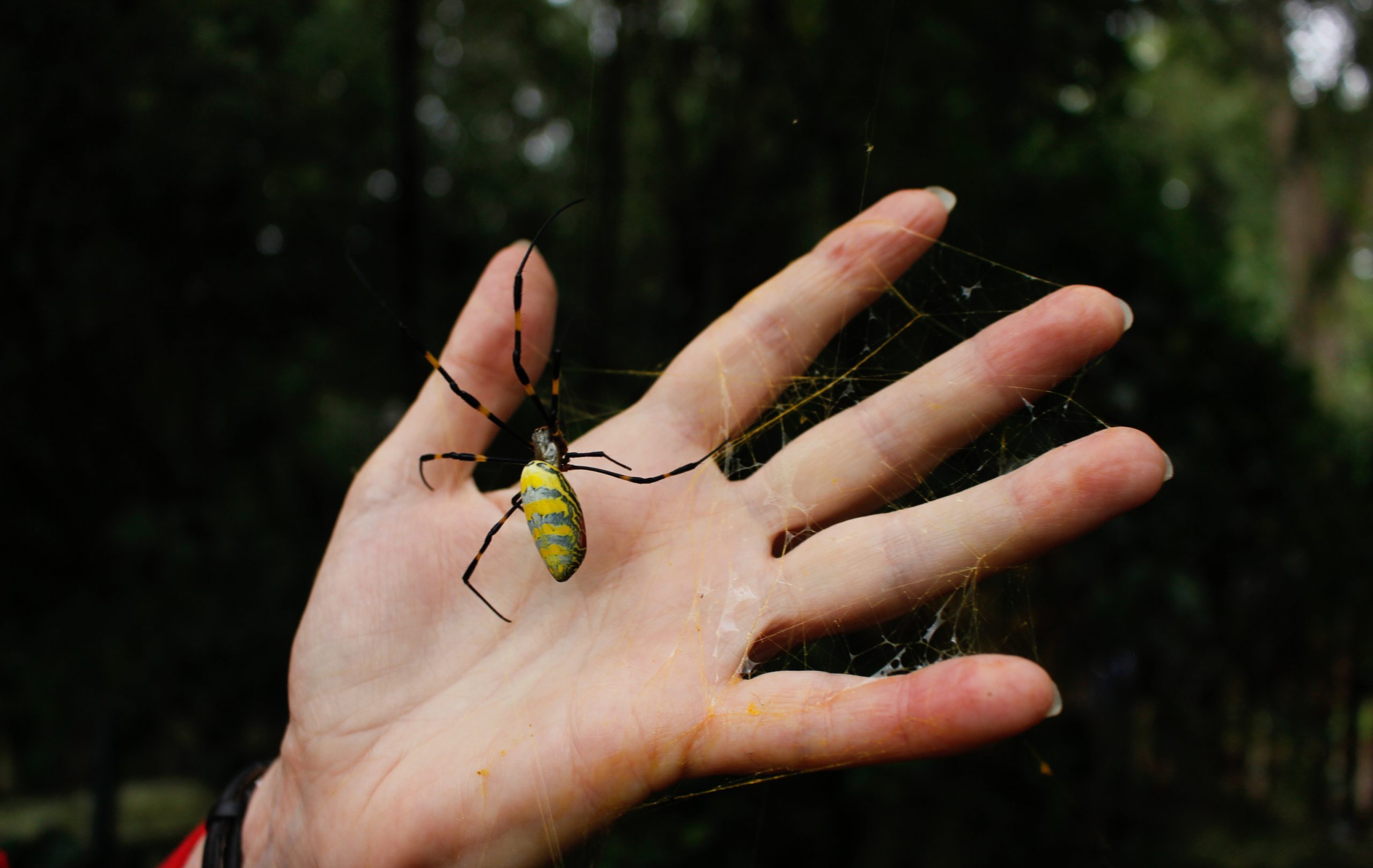
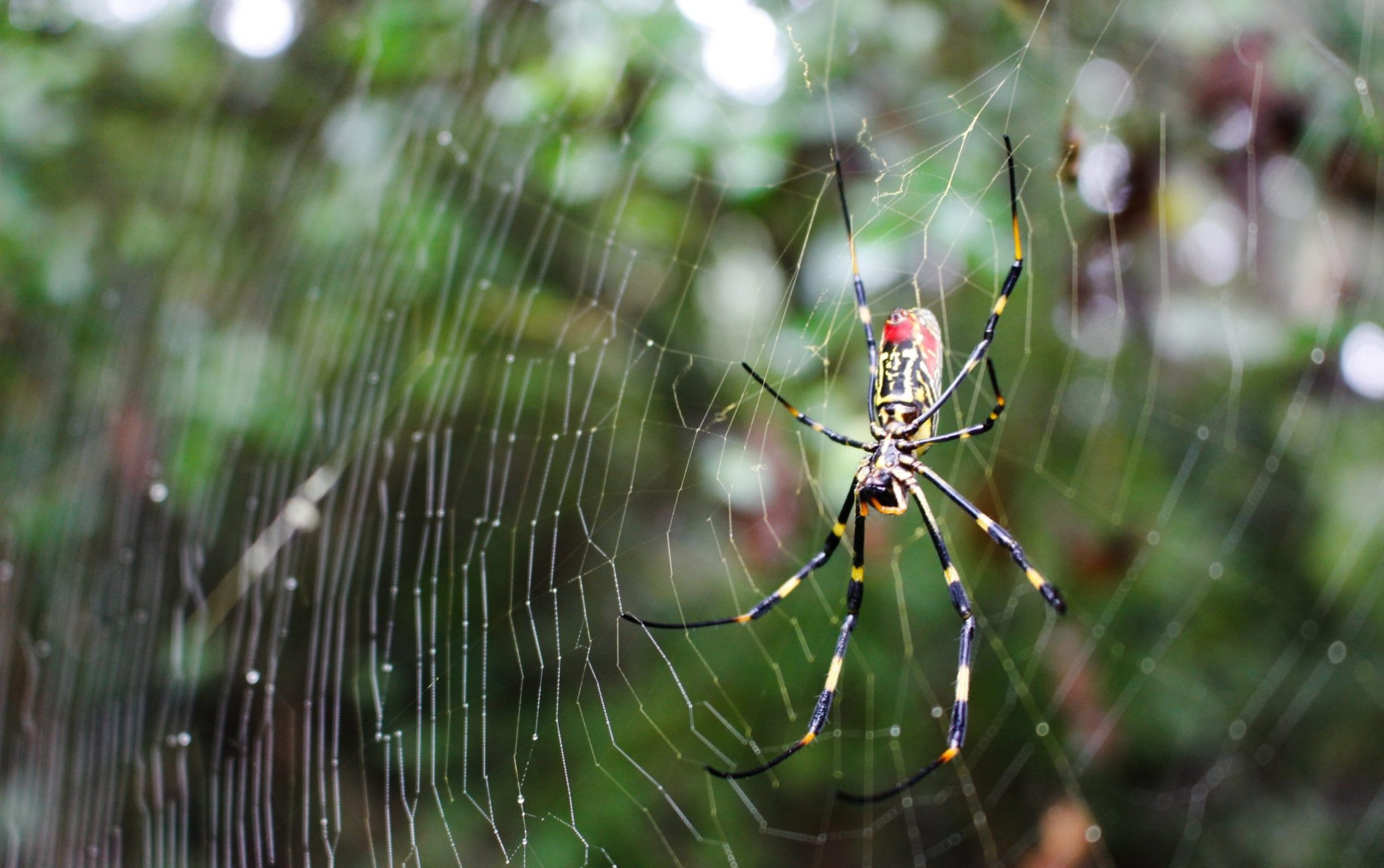
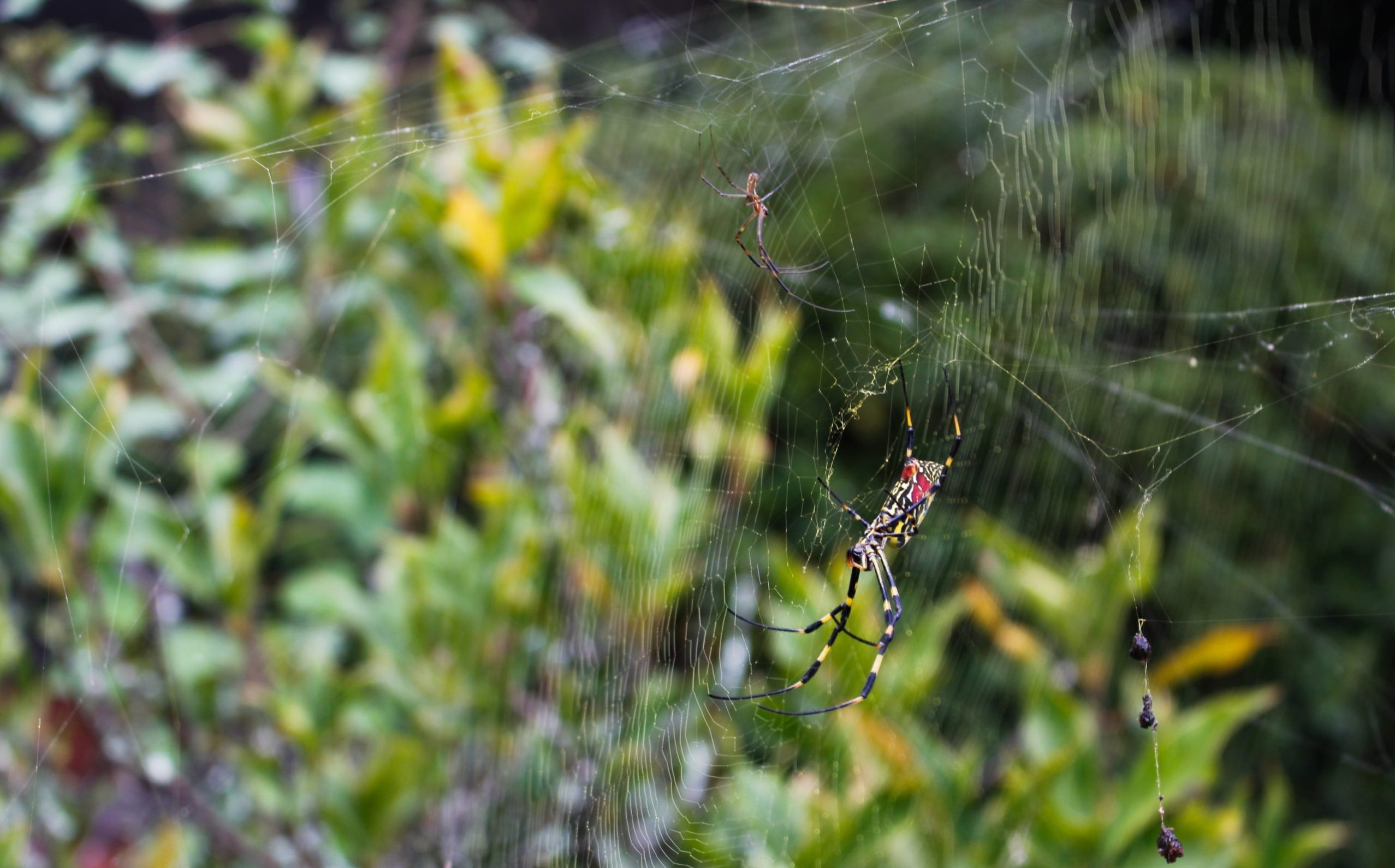
Joro spider. Photo by: Carly Mirabile, University of Georgia, Bugwood.org
Joro spider. Photo by: Carly Mirabile, University of Georgia, Bugwood.org
Joro spider. Photo by: Carly Mirabile, University of Georgia, Bugwood.org
Joro spider. Photo by: Carly Mirabile, University of Georgia, Bugwood.org
2026 Joro Spider Spotting & Photo Contest
Win fame and glory (plus exclusive stickers!) by helping us find how Joros are spreading this season. Kick off the 5th annual Joro Spider Spotting & Photo Contest by reporting Joro spiders on this website, on eddmaps.org, or via the EDDMapS app.
Mark Your Calendar - Joro Watch 2026
Mark your calendar for the 5th Annual Joro Spider Spotting Contest set for Monday, October 12, 12:00 a.m. – Sunday, October 18, 11:59 p.m. ET. Only reports entered into our database during this time will be counted for the contest.
Monday, Oct 12, 12:00 a.m. – Sunday, Oct 18, 11:59 p.m. ET
Only reports submitted to our database during this time will be eligible for either contest.
Spotting Contest Rules
All verified reports will be entered into the spotting contest. Each report must include a clear, well-focused photo of the spider for identification.
Photo Contest Criteria
Photos attached to verified reports are eligible for the photo contest. The spider must be clearly identifiable and photos must meet all contest photo requirements.
Researchers have been studying Joro spiders to learn more about them, from their food sources to human interactions to management! Check out the growing collection of scientific research articles, alongside our other resources.
This map tracks Joro spider reports for 2026 submitted by researchers and citizen scientists. Each report helps us map where Joro spiders live and how they are spreading. You can contribute by reporting Joro spider sightings near you.
Please cite the EDDMapS as:
EDDMapS. 2026. Early Detection & Distribution Mapping System. The University of Georgia - Center for Invasive Species and Ecosystem Health. Available online at http://www.eddmaps.org/; last accessed .
Reported Joro Spider Spread Over Time, 2014–Present
This map illustrates the Joro spider’s range expansion from 2014 to the present. Reports from each year show how the species has moved into new areas, including areas farther north. Citizen scientists make it possible to track this movement by spotting and reporting Joro spiders.
Please cite the EDDMapS as:
EDDMapS. 2026. Early Detection & Distribution Mapping System. The University of Georgia - Center for Invasive Species and Ecosystem Health. Available online at http://www.eddmaps.org/; last accessed .
Partners
These resources are made possible through the partnership of the following institutions: